A global Microsoft outage that began Nov. 12 disrupted email, voicemail, pagers, and other communications at U.S. health systems. For hours, Teams calls refused to connect, mail queues sat idle, and many of us kept refreshing incidents EX1550543 and MO1550821, waiting for answers.
What many of us learned is that an outage like this can trigger a small existential panic. How do I reach my patients, my providers, and my staff? How do we operate without our typical way of communicating? And how do we make sure we are still meeting regulatory standards?
As many healthcare systems shared, “It (the outage) impacts patient care, supply chain, and several other services.” The outage affected email and voicemail, as well as faxes and pagers that rely on email addresses. In turn, hospitals and practices asked patients with urgent needs to call clinics directly or use MyChart messaging.
To date, there are no estimates of the direct impact on patient care, whether canceled procedures, missed appointments, or delayed care. But there is little doubt that this outage cost healthcare systems and supporting companies millions of dollars while countless patients missed out on priceless care.
As one health tech executive pointed out, this is a great case study in cascading failure. “According to Microsoft’s own status updates, a core process responsible for establishing secure connections got overwhelmed. Servers started failing automated health checks and dropping out of rotation,” and then more cogs in the IT platform fell over too. A local hiccup turned into a cascading failure across multiple regions.
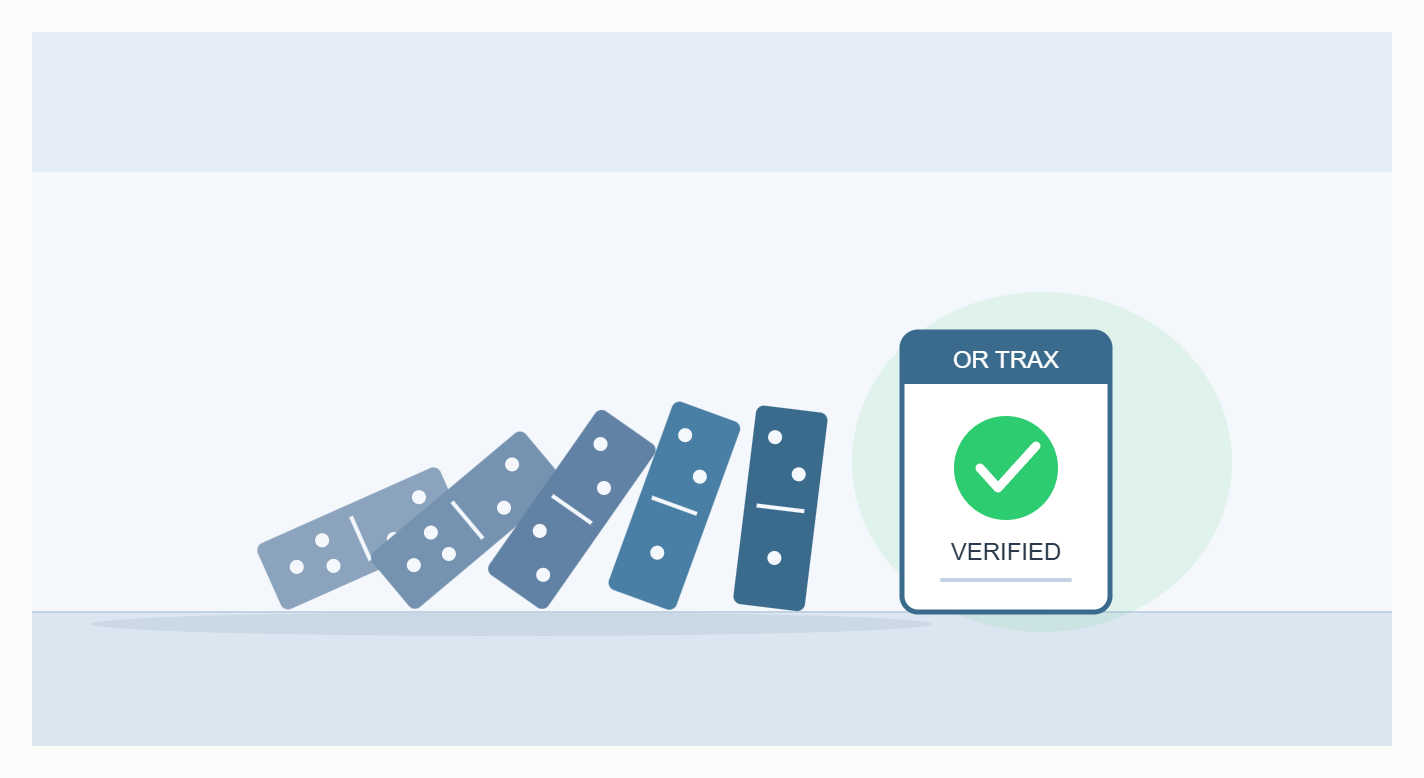
This made me think of the same cascade that can happen when we rely on manual checks and balances for vendor credentialing and facility access. Without validation of health credentials, training, insurance, and exclusion list checks, one vendor hiccup could set off a chain of failures during a Joint Commission (JC) or Office of Inspector General (OIG) audit. The result could be OIG penalties, lost revenue from canceled cases, and a possible risk to JC accreditation.
At OR Trax, we are committed to ensuring healthcare facilities don’t find themselves in a cascade of failure when it comes to vendor credentials. With real-time digital badges, you don’t need conventional communication lines to know with certainty that a vendor is fully credentialed. That means credentialed not just to regulatory standards, but to your facility’s specific standards, policies, and expectations.
To learn how OR Trax can help you avoid local hiccups in vendor management, contact me.